
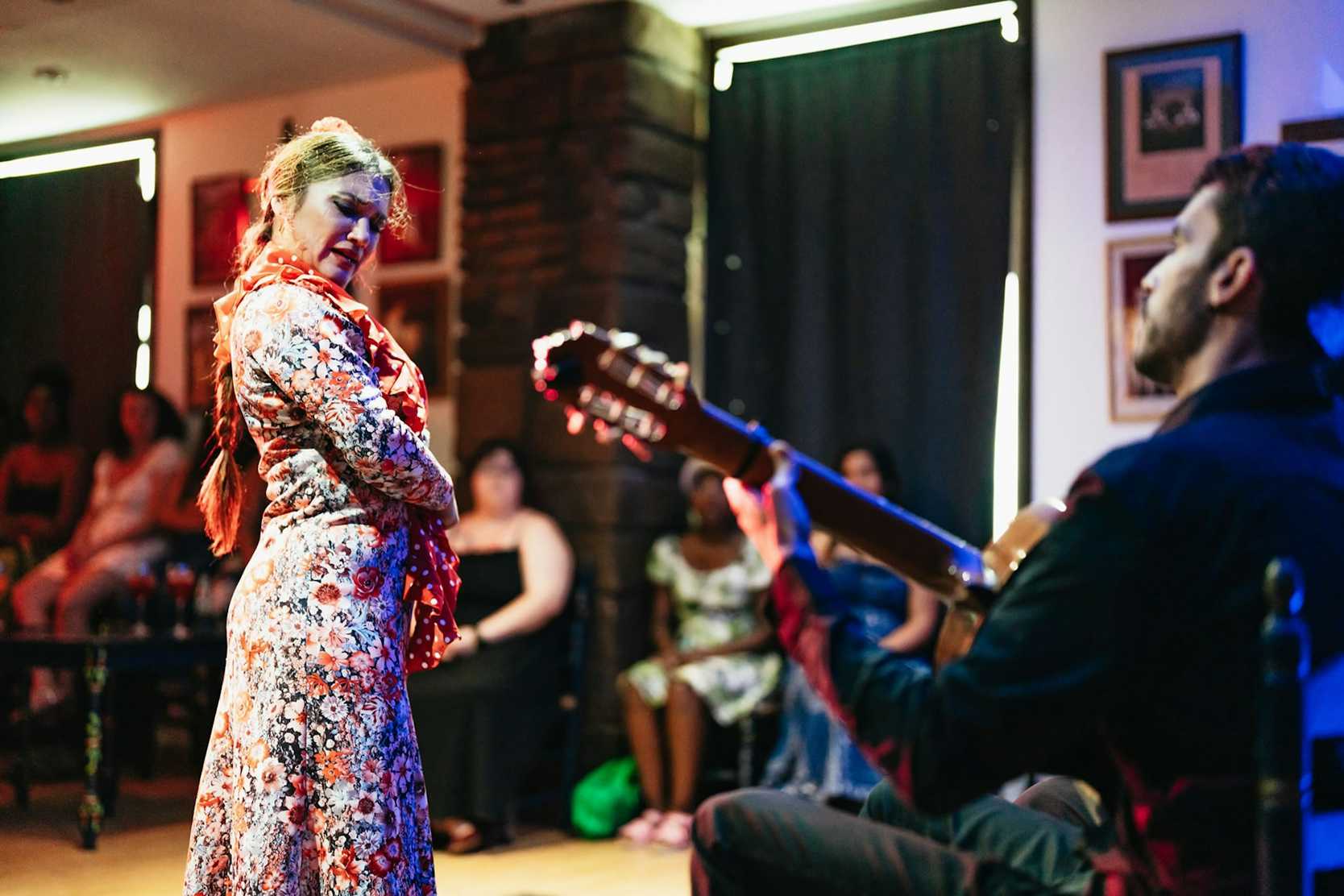
I once sat through a flamenco show in a Madrid basement where the dancer’s footwork rattled the glasses on my table. The singer’s voice cracked with something that felt older than the building itself, and for sixty minutes I forgot to check my phone.
That night rewired how I think about Spanish culture, and it’s why I now tell every traveller the same thing: the right flamenco experience is not a show you watch, it’s a current you step into.

Michael Madsen shares his best flamenco experinces with you
Flamenco is a UNESCO-protected cultural tradition born in Andalusia, built on three pillars: cante (singing), baile (dance), and toque (guitar). The best way to feel it is to skip the big, polished dinner theatres and find a small tablao or cave venue where the performers are close enough that you can see the sweat and hear the breath between notes. That intimacy is the difference between a tourist trap and a memory that follows you home.
I have made the mistakes so you do not have to. I have booked the overpriced package with mediocre food and a stage so far away the dancers looked like postage stamps. I have also stumbled into a Sacromonte cave in Granada where the guitarist played with his eyes closed and the singer’s voice seemed to pull the walls inward.
The gap between those two nights was not luck. It was knowing what to look for.
Here is what this guide covers, city by city:
- What flamenco actually is, and why the guitar, voice, and dance are inseparable
- How to spot an authentic tablao from a manufactured one
- The best intimate venues in Seville, Granada, Cordoba, Malaga, Madrid, and Barcelona
- What to expect from a performance, from the first guitar note to the final stomp
Seville is where flamenco lives in the walls. Granada’s cave venues in Sacromonte feel like stepping into a family secret. Cordoba and Malaga offer smaller, fiercer shows that reward the curious.
Madrid and Barcelona prove the art travels well beyond Andalusia, with tablaos that have been shaping careers since 1963 in the case of Los Tarantos in Barcelona. Each city has its own pulse, and I will point you to the rooms where that pulse is loudest.
One thing I learned early: a great flamenco performance does not need a fancy meal or a souvenir photo. It needs a small room, a wooden floor, and artists who are not performing for applause but for something closer to release. When the singer’s voice breaks and the dancer’s heels hit the floor like a heartbeat, you will understand why this art form has survived centuries without losing its fire.
This is not a list of the biggest venues. It is a collection of the most honest ones, the places where I would take a friend who asked me where to feel flamenco rather than just see it. Start with an open mind, leave your expectations at the door, and let the music do what it has always done.
Flamenco is a raw, improvised conversation between a singer, a guitarist, and a dancer, born in the Andalusian south and built on centuries of Gypsy, Moorish, and Jewish influence. I used to think it was just aggressive footwork and ruffled dresses, but the first time I sat close enough to see a dancer’s face twist with the cante, I understood it as something closer to grief made visible. The dance itself is not choreography in the ballet sense – it is a physical argument with the rhythm, where the zapateado footwork answers the guitar and the singer’s wail pulls both of them forward.
That is why a cramped cave in Sacromonte can feel more electric than a grand theatre.
Flamenco performance
Some people think a flamenco performance is a dance show with guitar backup. Others treat it as background music for dinner. The second approach misses everything, and the first only gets you halfway there.
A real flamenco performance is a three-way conversation between cante (singing), toque (guitar playing), and baile (dance), and none of them works without the other two. When I finally understood that, the whole art form snapped into focus.
Flamenco is a unique art form native to Andalusia. It encompasses vibrant singing, hypnotic guitar playing, and captivating dancing. But those three elements are not stacked on top of each other like layers in a cake.
They push, pull, interrupt, and answer one another in real time. The singer holds a note until the guitarist fills the silence.
The dancer’s heels strike the floor like a percussion instrument, and the singer responds by stretching a phrase even further. That interplay is the performance.
The emotional range is what catches first-timers off guard. A single show can move from grief so heavy it sits in your chest to joy so sharp it pulls you out of your seat. I have watched a dancer’s face shift from intense sorrow to exhilarating joy within a single palo – that is the word for a flamenco style or form – and the transition felt less like acting and more like weather changing.
Performers bare their souls on stage. There is no polite distance between artist and audience in a good tablao.
That rawness is not accidental. Flamenco grew out of hardship, and the cante jondo, or deep song, still carries that weight. The singer’s voice can crack, rasp, or slide off the note on purpose.
Those are not mistakes. They are the sound of emotion overriding technique, and they are exactly what you should listen for.
If the performance feels too polished, too smooth, too safe, you are probably watching a tourist version rather than the real thing.
The structure of a performance also matters. Most shows are built around a series of palos, each with its own rhythm, mood, and origin. Some, like the soleá, are slow and solemn.
Others, like the bulerías, are fast, playful, and often close the night. A skilled performer can make you feel the difference before you know the names.
The rhythm shifts, the dancer’s posture changes, and suddenly the same stage feels like a different room.
Here is what I tell friends before their first show:
- Watch the hands and face, not just the feet. The footwork is loud and impressive, but the emotional story lives in the fingers, the shoulders, and the eyes.
- Listen for the silences. The pauses between a singer’s phrases are not empty. They are where the feeling lands.
- Do not clap unless the locals do. Flamenco has its own rhythmic clapping patterns, and random applause breaks the spell.
- Expect intensity, not comfort. A genuine performance can be uncomfortable. That is the point.
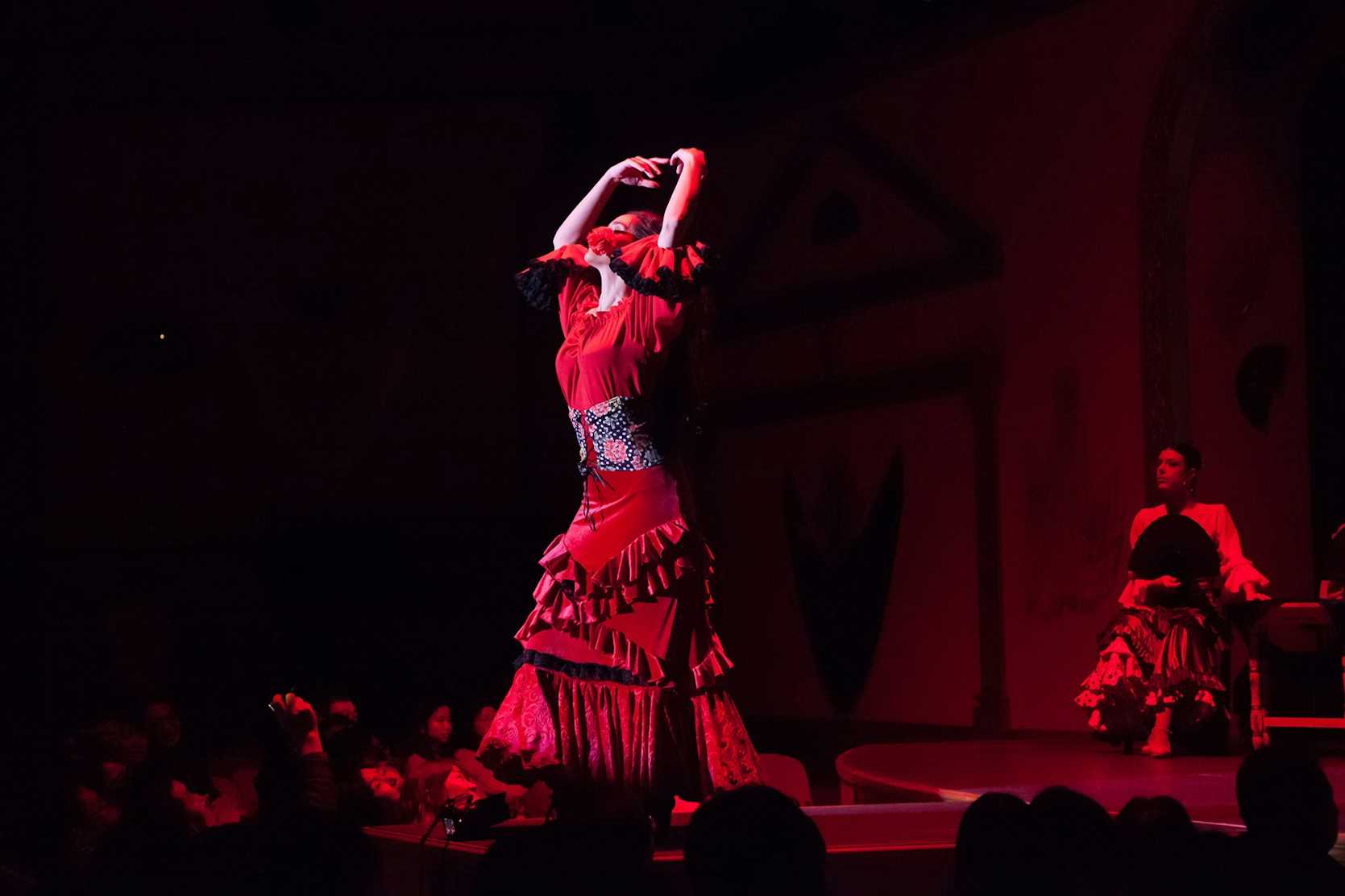
El Palacio Andaluz Sevilla
One thing I have learned from years of watching flamenco across Spain: the size of the venue changes the performance itself. In a small cave in Granada’s Sacromonte or a basement tablao in Madrid, the singer does not need to project to the back row. The performance becomes a shared breath.
The dancer’s sweat, the guitarist’s calloused fingers, the singer’s clenched jaw – all of it is close enough to see. That proximity is not a bonus.
It is the art form working as intended.
Flamenco also rewards repeat viewing. The first time, you notice the spectacle. The second time, you start hearing the structure.
By the third or fourth show, you recognize a compás – the rhythmic cycle that holds everything together – and you feel when a performer deliberately bends it. That is when the music stops being exotic and starts being legible.
It is a language, and like any language, it opens up slowly.
Understanding the performance as a whole sets the stage for appreciating its individual components. The dance, the guitar, and the voice each deserve their own close look, because each one carries a different part of the emotional load. But none of them exists alone on that stage. They are braided together, and the braid is the performance.
Flamenco is not background music. It is not a dinner show. It is a direct, sometimes uncomfortable, often electrifying exchange of feeling between performers and the people close enough to witness it. That exchange has been happening in Andalusia for generations, and it has not been smoothed over yet.
Flamenco dance and step: An art
Before I ever set foot in a tablao, I assumed flamenco dance was mostly about spinning skirts and dramatic poses. Then I sat close enough to see a dancer’s feet. Flamenco dance is a percussive instrument played with the body, where every stamp, flick of the wrist, and turn of the hand carries meaning. The dancer is not decorating the music; the dancer is part of the rhythm section.
The technical name for that furious footwork is zapateado. It is not random stomping. A skilled bailaora builds patterns with heel, toe, and the edge of the sole, producing a rapid-fire counter-rhythm that locks into the guitar.
I have watched a dancer’s zapateado climb in speed until it sounded like a snare drum roll, then stop dead on a silence the guitarist had left open. That silence was as loud as the stamping.
Above the waist, the story changes. Braceo is the arm work, those slow, sculpted arcs that frame the body and pull the eye upward. Floreo is the hand work, the twisting bloom of fingers that opens and closes like a flower catching light.
Beginners think these are just pretty gestures. They are not.
A sharp turn of the wrist can signal defiance. A soft, open palm can signal grief. I once watched a dancer hold a floreo so still that the entire room leaned forward, waiting for the next note.
Then there is duende. No English word covers it. It is the moment when technique stops being technique and becomes something closer to possession.
A dancer can have perfect zapateado and still have no duende. Another can be technically rough and leave you unable to speak.
Duende is the soulful expression that makes the movement true. It is why two dancers can perform the same steps and only one makes you forget to breathe.
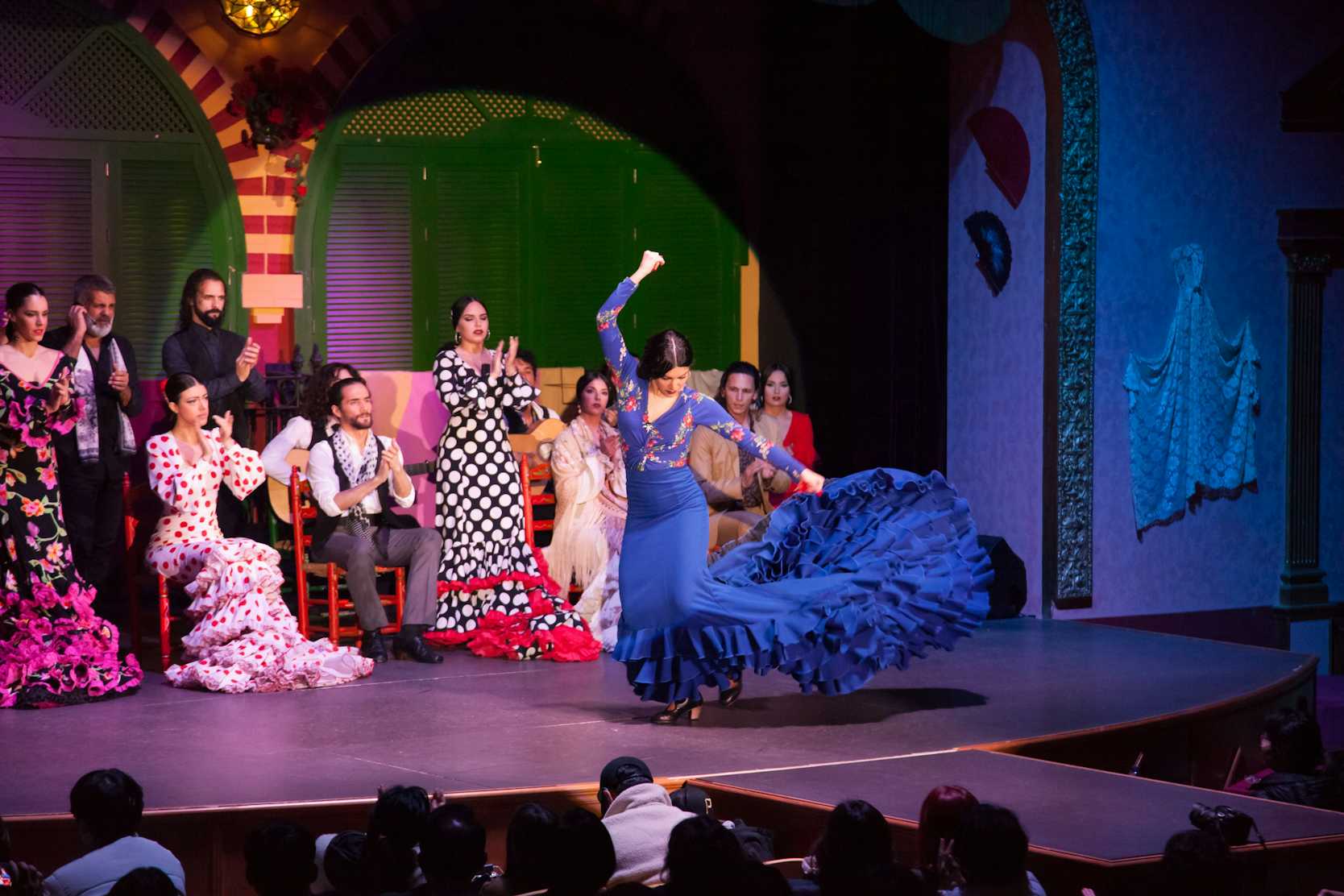
El Palacio Andaluz Sevilla
Castanets get a lot of attention from visitors, and I understand why. They snap like firecrackers and photograph beautifully. But they are optional.
Many of the most powerful dances I have seen used no castanets at all. The dancer’s own body, the clap of hands, the snap of fingers, the crack of a heel, those were enough.
Castanets are a color, not the foundation.
The dress matters more than I expected. A bata de cola, that long-tailed dress, is not just costume. The dancer kicks and whips the fabric into spirals, using its weight like a partner.
Managing that much cloth while maintaining zapateado takes real athleticism. I tried to imagine the core strength involved and gave up halfway through the show.
What surprised me most was how much the dance listens. A flamenco dancer is not following a fixed routine the way a ballet dancer might. The best ones watch the singer’s face, answer the guitarist’s phrasing, and leave space for the other performers to interrupt. The dance is a conversation, and the feet are only one voice in it.
That percussive conversation is why the guitar and the dancer are so tightly bound. A rapid zapateado mirrors the guitarist’s strumming intensity, each one daring the other to go faster, then pulling back just before the phrase collapses. The dancer’s body becomes a second guitar.
I have seen audiences applaud the wrong moment, clapping for a spin when the real artistry was in a half-second pause. Flamenco dance rewards attention. The story is in the details, and the details are relentless.
My first real lesson in flamenco guitar came from watching a player’s right hand more than the dancer’s feet. The toque isn’t background music; it’s the engine that sets the emotional temperature, shifting from percussive rasgueado strums to delicate, almost whispered falsetas in a single breath. I’ve learned that the guitarist watches the singer and dancer like a hawk, because improvisation is the whole point – a sudden change in rhythm or mood demands an instant musical answer.
That raw, unscripted dialogue is what makes every performance feel alive, and it’s why the guitar sits at the very heart of the flamenco experience.
Decide now whether you want to watch a flamenco guitarist or feel one. The passionate spirit of flamenco culture is not a style choice or a mood-it is a direct conduit for the artist’s deepest emotions, pushed out through the strings and into the room. When a guitarist leans into a falseta, the melodic break between verses, the notes are not decoration.
They are confession. I have sat close enough to see a player’s jaw tighten before a difficult run, and the sound that followed felt less like music and more like a door opening.
That emotional transfer is what separates flamenco from a concert. A classical guitarist might impress you. A flamenco guitarist wants to unsettle you, comfort you, then unsettle you again.
The technique matters, but only because it lets feeling move faster than thought. I once watched a guitarist in a small Madrid tablao play a slow, aching phrase that made the singer close his eyes and drop his head.
Nobody clapped. The silence was the point.
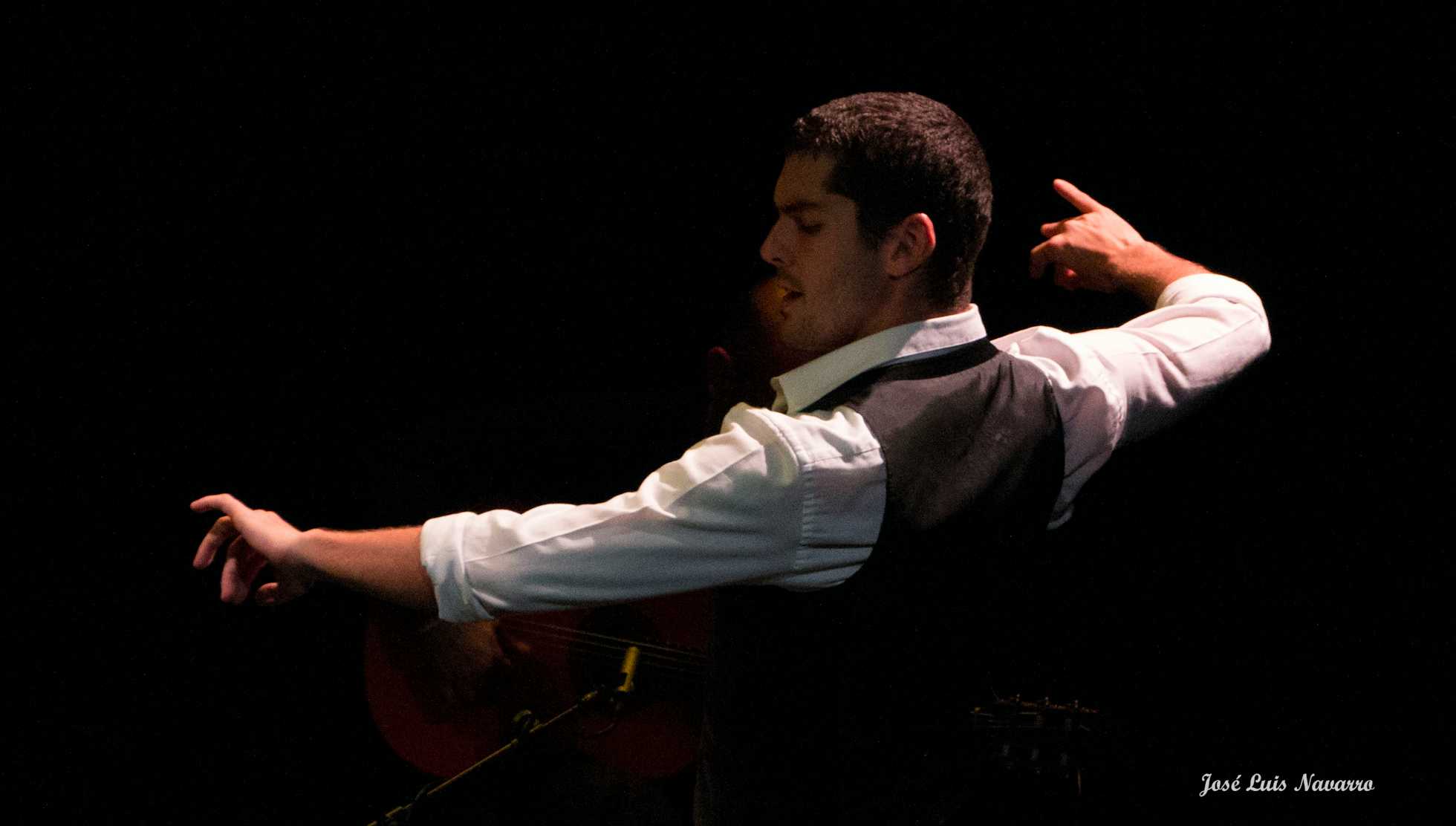
Triana Theater Sevilla
Where the passion actually lives
Passion in flamenco is not loud volume or fast fingers. It is intention-the sense that every note has a reason to exist. A guitarist can play a single chord and hold it just long enough that the room leans forward.
That restraint is harder than speed. Beginners often miss this because they are waiting for the big finish, but the emotional core usually arrives in the quietest moment.
The audience is part of this exchange. During a particularly emotional guitar solo, someone will shout jaleo-words like “¡ole!” or “¡eso!”-not as applause but as fuel. The guitarist hears it and pushes harder.
The singer answers. The dancer’s heels hit the floor like a reply.
I have seen a shy-looking tourist shout “¡ole!” at the wrong moment and still get a nod from the player, because the attempt itself was honest. That is the culture: feeling first, precision second.
Here is what I listen for when I want to know if a guitarist is truly connected to the tradition:
- Breathing with the singer. The guitar does not play over the voice; it inhales and exhales around it.
- Silence as a note. A pause before a resolution can carry more weight than the resolution itself.
- Reaction to the room. A player who changes dynamics because someone shouted or a dancer stomped is present, not performing from memory.
- Imperfection with purpose. A slightly buzzed string or a rushed beat can be more alive than a sterile recording.
None of this shows up on a studio album. You have to be in the room. That is why I tell friends to skip the big tourist dinner shows and find a small venue where the guitarist is close enough to see the sweat on his forearm.
The passion is not staged there. It leaks out.
Flamenco’s emotional range catches first-timers off guard because it refuses to stay in one feeling. A guitarist can move from grief to mockery in under a minute. That whiplash is not sloppy-it is the art form’s honesty. Life does not sort emotions into neat sections, and neither does flamenco.
I have also learned that the guitarist is not the star. In flamenco, the guitar serves the singer and the dancer, then steps forward when the moment demands it. That humility is part of the passionate spirit.
The best players I have seen spend most of the show watching the others, waiting for the exact second to add a chord or a run. When they do, it lands like a heartbeat.
This is why flamenco feels woven into Spanish culture rather than placed on top of it. The passion is not manufactured for tourists. It predates the stage, the ticket, the spotlight.
A guitarist in a cramped cave in Granada is doing what players have done for generations: turning private feeling into shared sound. The audience is not observing that.
They are inside it.
Skip the recording. Find a live guitarist, sit close, and let the first falseta tell you everything.
The essence of Spanish culture: Flamenco
Open any travel guide to Spain and you will find flamenco listed as a cultural export, but that framing undersells what it actually is. Flamenco is not a museum piece or a tourist attraction bolted onto Spanish identity. It is a living, breathing pillar of how Spaniards understand themselves, particularly in the south. The art form carries centuries of hardship, migration, and survival inside its rhythms, and it remains a UNESCO-protected cultural tradition precisely because it refuses to stay frozen in time.
I learned this lesson in Seville, not at a show, but at the annual Feria de Abril. The fairground fills with private casetas where families, friends, and neighbours gather for a week of eating, drinking, and dancing sevillanas. Flamenco costumes appear everywhere.
Women wear the ruffled traje de flamenca, men ride horses in traditional Andalusian dress, and the music spills from every corner. Nobody is performing for a ticket.
They are celebrating who they are. That is the difference between flamenco as spectacle and flamenco as culture.
The historical roots run deep. Flamenco emerged from the cultural collision of Romani, Moorish, Jewish, and Andalusian folk traditions in southern Spain. It grew in private homes, patios, and marginalised communities long before it ever reached a stage.
That origin story matters because it explains why flamenco still functions as a form of social glue. It belongs to families, neighbourhoods, and local festivals first.
The professional tablao came later.
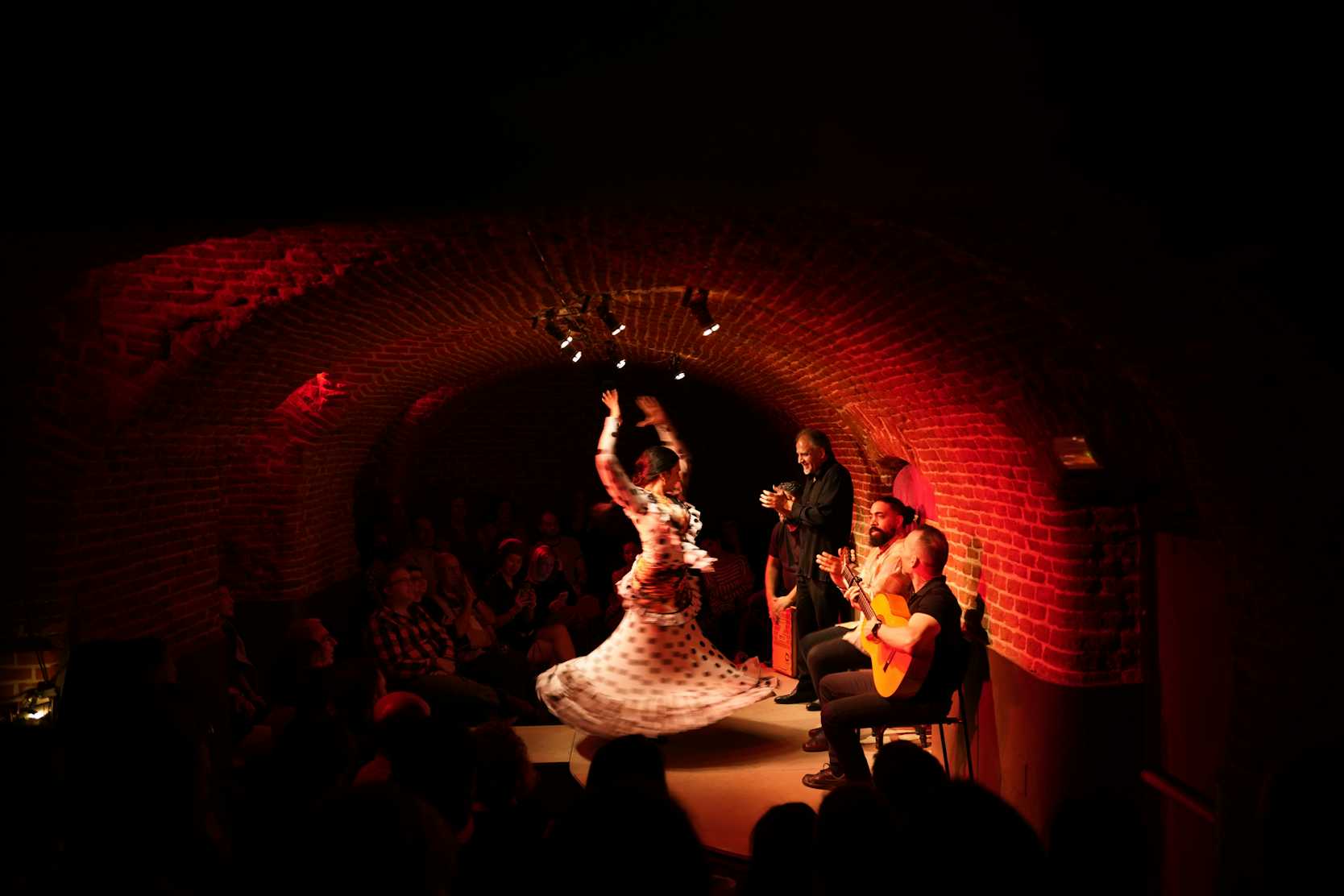
Essential Flamenco Madrid
Granada makes this point vividly. Flamenco is an important part of Granada’s culture, not as a decorative flourish but as daily texture. Walk through the Albaicín or Sacromonte and you will hear someone practising guitar behind a half-open door.
A neighbour might clap a compás while waiting for a bus. Children learn palmas in school.
The art form is not confined to ticketed venues. It leaks into ordinary life.
What fascinates me most is how flamenco evolves without losing its spine. Each generation adds phrasing, attitude, and even new instruments, yet the core structures remain recognisable. A young dancer in 2026 can reference moves her grandmother performed in a cave, and the audience still feels the same jolt.
That continuity is rare. It is why flamenco functions as a cultural anchor even as Spain modernises around it.
Flamenco also travels. Barcelona, Madrid, and Málaga all sustain vibrant scenes far from Andalusia. The art form adapts to new cities without surrendering its identity.
I have watched a Catalan audience fall silent during a soleá in Barcelona, then erupt seconds later. The emotional grammar translates because it is human first and regional second.
This is why seeking out an authentic flamenco experience matters. The right venue does not package the culture. It lets the culture happen in front of you.
Flamenco is not a relic. It is a dynamic, essential pillar of Spanish cultural identity, recognised globally for its artistic depth. And once you see it in its natural habitat, you stop treating it as a checkbox on an itinerary.
A tablao is a small, purpose-built flamenco venue where the performers are close enough that you can see the sweat fly and hear every heel strike without a microphone. I have sat in grand theatres and felt politely impressed, but nothing matches the electric intimacy of a brick-walled cave or a converted cellar where the singer’s voice hits your chest directly. The best ones, like the cave venues in Granada’s Sacromonte or the old brick vaults in Madrid, trade polished production for raw proximity, and that is exactly what makes the art form feel alive rather than merely performed.
With or without a meal included
The 80/20 rule applies here – roughly 80% of your memory of a flamenco night will come from the performance, and only 20% from the food. A meal-included ticket at a tablao typically costs 30–60% more than a performance-only seat, and that extra money buys you convenience, not necessarily better flamenco. The direct answer is this: choose a performance-only ticket if your priority is full immersion in the music and dance; choose a meal-included ticket only if you want to simplify your evening logistics and are comfortable with some dining-related distraction. Neither option is wrong, but they produce very different nights.
I learned this the hard way at a Madrid tablao where my dinner arrived during the second palo. The waiter needed to reach past me with a plate of jamón while a singer was mid-quejío, and I spent the next ten minutes deciding whether to eat quickly or let the food go cold. The performance was excellent.
My attention was not. That single experience shaped how I now advise anyone booking a flamenco show in Seville, Granada, or Barcelona.
Here is what the choice actually changes:
- Focus. A performance-only ticket removes the clatter of cutlery, the murmur of food orders, and the movement of waitstaff from your field of attention. You watch the dancer’s footwork without a fork in your hand.
- Timing. Meal-included shows often serve food before or during the first half. If the kitchen runs late, the show may start while you are still eating.
- Value. Some venues, like Tablao El Jaleo in Cordoba, offer a full dinner add-on with two starters, a main course, a drink, and a dessert. That can be good value if you planned to eat out anyway. But if you only want a light bite, you are paying for courses you do not need.
- Atmosphere. A room full of diners feels different from a room full of listeners. The energy shifts when people are chewing.
Some venues handle the meal question better than others. Tablao Torres Bermejas in Madrid leans into the dinner-and-show format, with a kitchen that works at the same intensity as the stage. The Alhambra-inspired room makes the meal feel like part of the theatrical frame rather than an interruption.
That is a rare case where I would consider the dinner option. In contrast, the Triana Theater Flamenco Show in Seville focuses solely on the performance – no food service, no bar traffic, just an hour of uninterrupted flamenco in a proper theater seat.
That format is the cleanest way to experience the art without competing stimuli.
There is a middle ground worth knowing about. Several venues include a single drink with the ticket but keep food optional. Café Ziryab in Madrid includes one drink per person and lets you order tapas separately if you want them.
Essential Tablao Flamenco Show, also in Madrid, includes one complimentary drink on entry – sangria, wine, beer, a soft drink, or juice – but the focus stays on the cave-like stage and its exceptional acoustics. This model gives you a small ritual without turning the show into a dinner service.
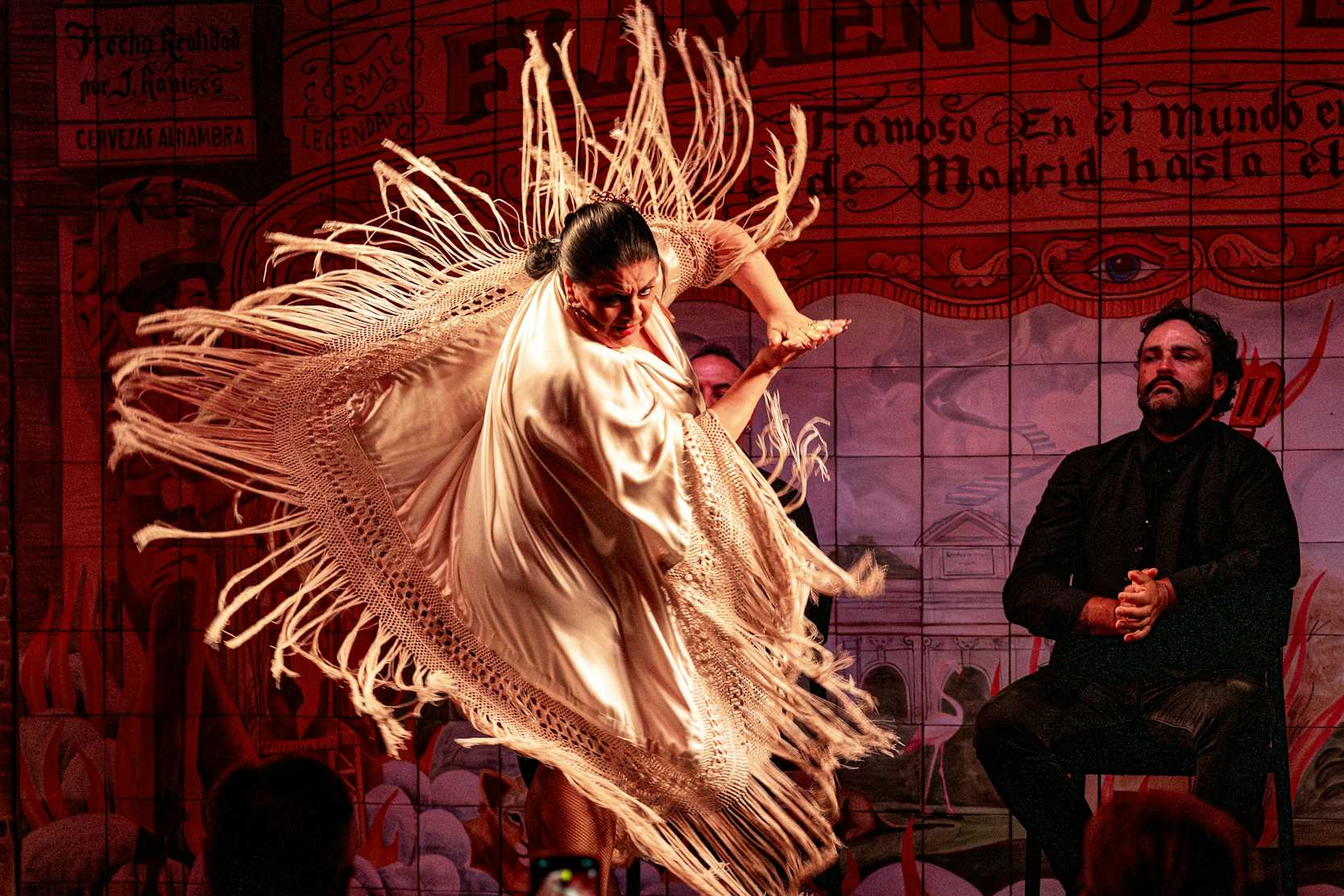
Flamenco de Leones Madrid
My practical rule is simple. If the show runs 60 minutes or less, skip the meal. You will not have time to enjoy it properly, and the performance will be over before your dessert arrives.
If the show runs 75 minutes or longer and you are booking a late evening slot, a meal-included ticket can make sense – but only at a venue known for managing the timing well. The Cordoba Flamenco Show, for example, runs 75 minutes and works as a lively celebration, though I would still eat beforehand and keep the performance as the main event.
One more factor: where you sit matters more than what you eat. A performance-only ticket in the front row beats a meal-included ticket at the back of the room every time. The intimacy of a small tablao is the whole point. If your budget is fixed, spend it on proximity to the stage, not on a second course.
The food will be forgotten by morning. The sound of a singer’s voice breaking on a high note will not.
That said, I understand the appeal of the combined ticket. You land in Seville at 8 p.m., you are hungry, and the idea of finding a restaurant and then a show feels like a logistics puzzle. A meal-included tablao solves that in one booking.
Just know what you are trading. The clink of glasses and the scrape of chairs become part of your flamenco memory, whether you want them there or not.
Some of the most focused flamenco I have ever seen was in a room where no one was eating. The audience sat still, the lights stayed low, and the only sounds were the guitar, the voice, and the floor. That is the version of flamenco I return to when I want to remember why I fell for it in the first place. The meal can wait.
Booking the big-name tablao and expecting the real thing is the fastest way to miss it. I have watched tourists file into polished venues with velvet seats and a fixed menu, only to sit through a technically perfect show that left them checking their phones. The direct answer is that local flamenco experiences – the small, family-run, historically rooted rooms – deliver the raw, unfiltered version of the art that large commercial productions cannot reproduce. You find them in a cave in Sacromonte, a converted cellar in Triana, or a modest room run by one family for decades.
What goes wrong when you skip this is simple. You get the choreography without the pulse. You get the costume without the context.
I have made that mistake once, and the difference was not subtle. The polished show was beautiful.
The local one was alive.
Why the room itself matters
A local venue does not hide behind production value. It forces the performance into your lap. At Cueva Zincalé in Granada’s Sacromonte neighborhood, the Córdoba family runs the show in a cave where the walls are close enough to feel the guitar before you hear it.
That proximity is not a gimmick. It changes how the dancer moves, how the singer holds a note, and how much of it lands on you.
The same logic applies in Seville. Baraka Flamenco Show sits in Triana, a historic flamenco neighborhood beside the Guadalquivir River. Triana is not a backdrop.
It is where generations of singers and dancers built the language you are watching. When the show ends, you walk out into streets that still carry that history.
A venue in a shopping district cannot give you that.
Family-run rooms also carry a different kind of risk. The performers are not hired for a season and rotated out. At Kelipé Flamenco Show in Málaga, a family of artists runs the space, and the cast of five works with a dedication that feels personal.
I would pick that over a larger production every time, because the stakes are higher for them. They are not performing for a contract.
They are performing for their name.
That urgency is the point. Local flamenco does not wait for you to settle in. It starts when the singer decides, and it ends when the room has given everything it has. You either show up for that or you miss it.
One more thing before the city-by-city recommendations. The best local rooms are not always the easiest to find. They sit up a hill in Granada, behind an unmarked door in Seville, or down a side street in Málaga.
That is not an accident. The search is part of the experience, and the reward is a performance that has not been sanded down for a tourist bus.
I have sat in a Sacromonte cave while a singer held a note so long the room went silent. No dinner service interrupted it. No spotlight cued it. That is what you are chasing.
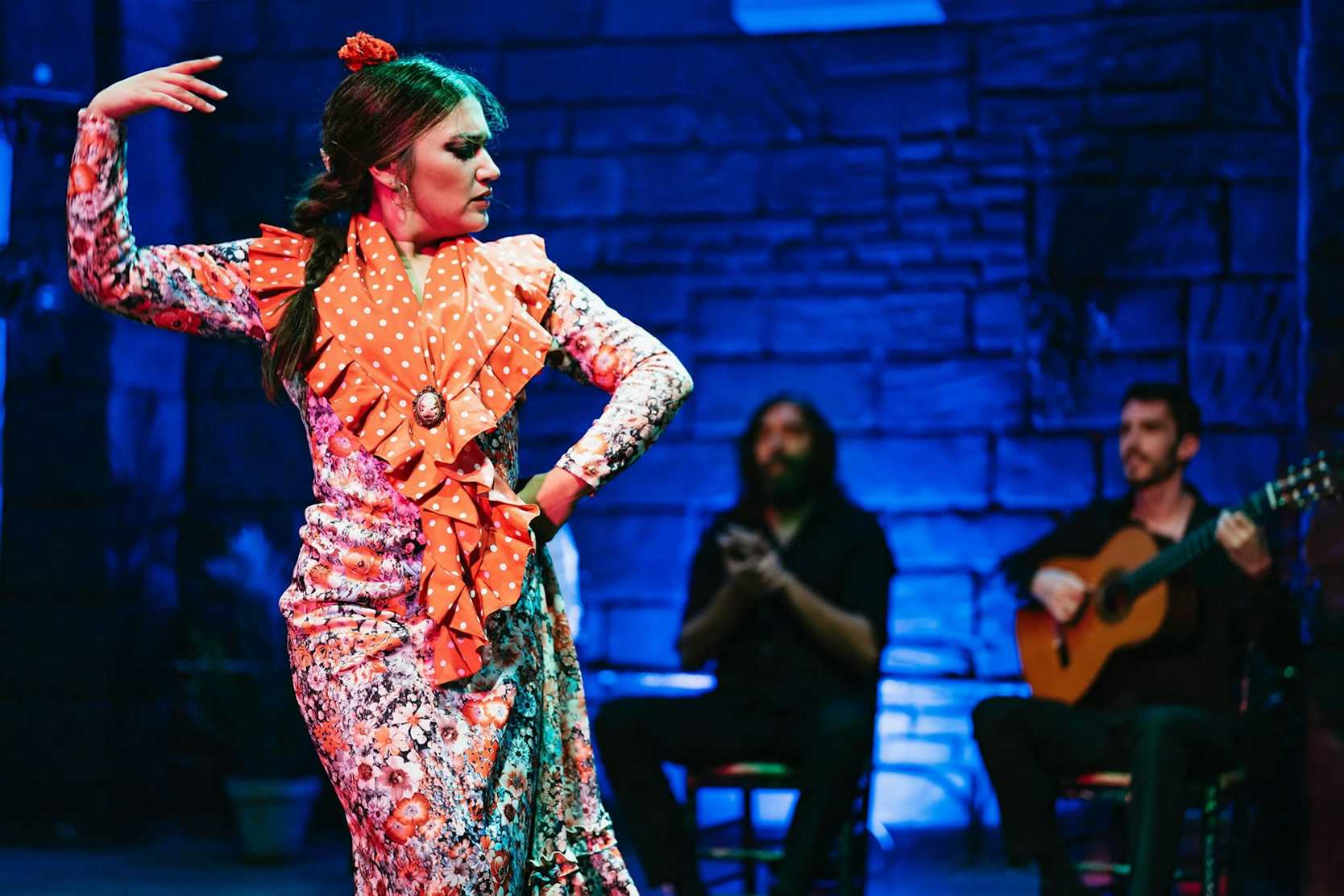
Baraka Flamenco Show Sevilla
Seville performances
Seville is where I go when I want flamenco that still feels like a living argument between grief and joy rather than a polished postcard. The Triana Theater leans into spectacle, with a wide stage and technical precision that turns an hour of uninterrupted footwork into something almost theatrical. But my heart sits across the river at El Palacio Andaluz, where the low ceilings and close tables of a traditional tablao make every snapped finger and ragged vocal feel aimed directly at me.
That venue also opens its Flamenco Costume Museum half an hour before the show, so I can trace how the April Fair’s dresses evolved before the first heel strikes the floor.
Triana Theater Flamenco Show
Seville’s Triana district carries flamenco in its bones, but the Triana Theater takes a different route than the cramped cave venues across the river. It gives you an hour of fiery, uninterrupted flamenco on a wide stage with state-of-the-art technical equipment. That combination sounds almost contradictory if you have been chasing small, sweaty rooms.
I get it. But the theater proves that modern production does not have to flatten the art form.
My first visit there changed how I think about staging. A dancer launched into a furious taconeo – the rapid heelwork that drives flamenco rhythm – and the sound design caught every strike without blurring them together. In a tiny tablao, that footwork hits you like a wave.
Here, the wide stage let the dancer travel, and the amplification sharpened each beat so precisely that I could hear the difference between the ball of the foot and the heel. That is not a gimmick.
It is technical clarity in service of emotion.
The theater itself is beautiful, and the comfortable seat matters more than I expected. You are not wedged against a stranger or craning around a pillar. You sit back, breathe, and let the performance build.
The show runs a full hour without interruption, which means the artists control the arc from first guitar note to final pose. No waiters moving through the room.
No clinking glasses. Just the work.
What the modern staging actually does
State-of-the-art equipment gets a bad reputation in flamenco circles. Purists sometimes act as if a microphone dilutes the rawness. I disagree, at least here.
The lighting follows the singer’s face when a cante jondo passage turns inward, then swings wide when the dancer commands the full stage. The sound system does not make the performance louder for the sake of volume.
It separates the layers – guitar, voice, palmas, footwork – so you can follow each one or let them merge.
The wide stage also changes the choreography. Dancers use the full space, building longer sequences and bigger visual shapes. In a small room, proximity creates intensity.
On this stage, movement creates drama. Both are valid.
The Triana Theater simply bets on spectacle without losing the emotional core.
One thing I noticed: the audience here includes plenty of locals, not just tourists. That tells me the production respects the tradition enough for people who grew up with it. A flashy show that ignored flamenco’s roots would not draw that crowd in Triana, of all places.
Here is what I would watch for when you go:
- The opening minute. The lighting and first guitar phrase set the tone. Notice how the room quiets.
- The dancer’s footwork clarity. The sound design should let you hear individual strikes, not a muddy rumble.
- The singer’s stillness. On a wide stage, a cantaor who barely moves can still hold the whole room. That is harder than it looks.
- The transitions. With no interruptions, each palo flows into the next. Watch how the mood shifts.
- The final pose. A well-produced show lands the ending with precision. If it feels rushed, the production failed.
I would not call this the most intimate flamenco experience in Seville. It is not trying to be. What it offers is a technically advanced, emotionally fiery performance that honors the tradition while using every tool a modern theater provides.
Some travelers want the cave. Some want the comfort.
The Triana Theater gives you the latter without making you feel like you sold out.
Seville has other rooms that lean harder into tradition, and a few that add museum visits or dinner to the evening. The Triana Theater sits in its own lane: a polished, focused hour of flamenco that trusts the art to carry the night. That trust is what I remember most.
El Palacio Andaluz Flamenco Show
El Palacio Andaluz pairs a grand flamenco performance with a visit to its Flamenco Costume Museum, and the museum opens 30 minutes before the show begins. That half-hour changes how I watch the performance. I stop seeing costumes as decoration and start reading them as documents of Andalusian life.
The museum traces how the traditional dress of the April Fair has shifted over time. Designer pieces sit beside older forms, and a recreated workshop shows the labor behind every ruffle and seam. Raquel Revuelta, director of SIMOF, guides the narrative.
Her involvement means the museum does not treat flamenco dress as a static relic. It treats it as a living craft that keeps absorbing new influences while holding its shape.
That context matters more than I expected. When the dancers step onto the stage in their trajes, I understand what those garments carry. The weight of the fabric, the sweep of the skirt, the way a sleeve moves with a raised arm – none of it is arbitrary. The museum gives me the vocabulary to see that.
The show itself features internationally renowned artists in a traditional tablao setting. The room feels grander than the cramped caves I have visited elsewhere, but it does not sacrifice the closeness that flamenco demands. The performers work the stage with a confidence that comes from years of training, and the audience sits near enough to catch the sharp intake of breath before a singer launches into a long phrase.
I have watched flamenco in tiny rooms where the heat of the performers was almost uncomfortable. El Palacio Andaluz offers something different. It gives me the performance and the backstory in one evening.
That combination is rare. Most venues ask me to choose between education and emotion.
This one refuses the choice.
The museum visit is not a gimmick bolted onto the show. It is the foundation. I walk through the evolution of the traje de flamenca, see how the April Fair dress transformed from a simple work garment into a symbol of Andalusian identity, and then I watch that identity move across a stage.
The sequence matters. The show lands harder because the museum has already primed me to notice details I would otherwise miss.
That is the real value here. A first-time visitor can enjoy the performance without the museum and still have a fine night. But the museum turns a spectator into a slightly more informed one.
And flamenco rewards informed attention. The more I know about the tradition, the more I can feel what the artists are doing with it.
El Palacio Andaluz is not the most intimate venue in Seville. It is not the rawest. What it offers is a complete cultural package – performance, history, and craft – delivered in one building. For travelers who want to understand flamenco rather than simply witness it, that is a meaningful distinction.
The museum closes its doors to new visitors when the show starts. So the 30 minutes before the performance are not optional if you want the full experience. I arrived early, walked through slowly, and still felt I could have used another ten minutes. Plan accordingly.
See also our article about Seville here.
Granada performances
Granada is where I go when I want flamenco that feels carved out of the earth itself, and the Sacromonte caves deliver exactly that. The Caves of Sacromonte Los Tarantos show sits inside a hillside venue that has nurtured generations of guitarists, singers, and dancers, many of whom went on to national acclaim. I still remember the way the low stone ceiling seemed to trap every stomp and wail, making the performance feel private even in a crowd.
For a more polished but equally intense night, Tablao La Alboreá in Plaza Nueva puts four artists close enough that you catch every flick of the wrist and bead of sweat.
Caves of Sacromonte Los Tarantos Flamenco Show
Los Tarantos is not the easiest flamenco venue to reach in Granada, and that is exactly why I keep going back. The cave sits in Sacromonte, the hillside neighborhood where Romani families carved homes into the rock centuries ago. A flamenco show here feels less like a ticketed event and more like being invited into someone’s ancestral living room. The direct answer is simple: this is the most historically rooted cave flamenco experience in Granada, and it has spent decades turning unknown performers into national names.
I have watched flamenco in polished theaters and tourist-friendly tablaos across Spain. None of them prepare you for what happens to sound inside a cave. The walls are uneven, the ceiling low, and every heel strike bounces back at you from three directions at once.
A singer’s voice does not project outward here. It wraps around the room.
That is the raw power of the cante reverberating off the cave walls, creating an intensely intimate and ancient atmosphere that no modern sound system can replicate.
Why Sacromonte Matters More Than the Stage
Sacromonte is not just a scenic backdrop. This is where Granada’s flamenco identity was forged, away from the city’s grand plazas and tourist corridors. The caves housed families who sang, danced, and played guitar because that was the language of survival and celebration.
When I sit in Los Tarantos, I am not watching a recreation of that history. I am sitting inside it.
The venue has drawn renowned artists for decades, and the list of names that have passed through reads like a map of flamenco’s evolution.
Luis Heredia “El Polaco”, Morenito de Íllora, and Chonchi Heredia have all performed here. Their singing inspired dancers like Manolillo Liñan, who went on to win the National Prize for Spanish Dance. That is not a marketing line.
It is a lineage. The cave has also hosted Vitorino de Pinos, Guzmán Albea, and Julio Terremoto, alongside dancers La Porrona, La Coneja, Bienvenido Maya, and El Gabriel.
Guitarists Antonio El Chispita and Pepe and Paquito Amaya have filled this space with melodies that still echo in the neighborhood’s memory.
Most venues book artists. Los Tarantos builds them.
The Talent Pipeline You Will Not See Anywhere Else
Here is the part that separates this cave from every other flamenco room in Granada. Los Tarantos has served as a fertile ground for budding flamenco talent, nurturing countless artists in guitar, dance, and singing. Many of those performers have risen to national and international acclaim.
When you buy a ticket, you are not just paying for one evening. You are funding the next generation of an art form that refuses to stand still.
I have a strong opinion on this: skip the dinner-and-show packages elsewhere and spend your money here instead. The cave format forces a focus that food service destroys. No one is clinking glasses during a soleá.
No waiter is squeezing between tables while a dancer builds toward a climax. The audience sits close, the lights stay low, and the performance owns the room completely.
What should you expect from the show itself? A few things stand out:
- The acoustics change everything. Guitar notes linger longer, footwork sounds sharper, and a singer’s breath becomes part of the rhythm.
- The intimacy is physical. You are close enough to see the dust rise from the floorboards and the tension in a dancer’s shoulders before a turn.
- The history is present. The cave walls have absorbed decades of flamenco, and that weight is palpable from the first note.
- The talent is unpredictable in the best way. You might see a veteran sharing the stage with a teenager who will headline festivals in five years.
Los Tarantos sets a high bar for authenticity. Other Granada venues will try to match the atmosphere, but most are working against their own architecture. A converted theater or a modern tablao can offer comfort and clarity.
It cannot offer the feeling of being underground, surrounded by rock, while a singer holds a note that seems to come from the earth itself. That is the difference, and it is not subtle.
I have left this cave with my ears ringing and my chest tight. Not from volume. From proximity to something that predates tourism, predates ticketing, and predates every attempt to package flamenco for export.
Los Tarantos is not a performance you attend. It is a place you enter, and for an hour, it does not let you go.
Tablao La Alboreá Flamenco Show
Tablao La Alboreá sits right on Plaza Nueva, which means you can walk out of your hotel, cross a square, and be in your seat within ten minutes. That is the direct answer to what makes this venue different: it delivers a focused, one-hour flamenco performance in the most accessible spot in Granada. Four renowned artists take the stage, and the show moves through soulful vocals, intricate guitar work, and dance that builds to a genuinely electric finish.
I have seen enough flamenco in Spain to know that convenience usually costs you atmosphere. This place manages to keep both.
The venue itself is perfectly conditioned for what flamenco demands. Acoustics matter more than most travelers realize. A singer’s voice needs to hit the back wall and return without turning muddy.
A dancer’s footwork should sound like percussion, not a muffled thud. La Alboreá gets this right.
The room is designed so that every heel strike lands cleanly, and the guitar notes stay distinct instead of blurring together. That is not a small detail. I have sat in beautiful old venues where the sound bounced around like a dropped tray of glasses.
Here, the clarity lets you follow the conversation between singer, guitarist, and dancer without straining.
What I remember most is sitting close enough to see every intricate finger movement on the guitar and every expressive facial gesture of the dancer. That proximity changes how you experience the performance. Flamenco is not a distant spectacle.
It is a language of small signals – a raised eyebrow, a sharp inhale, a wrist that snaps at the exact moment the singer’s voice breaks. When you can see those details, the hour stops feeling like a show and starts feeling like a shared moment.
The panoramic views from the seating help too. No pillar blocking the stage, no awkward angle where you watch the back of someone’s head.
The one-hour format is the right length for most visitors. You get the full arc of a flamenco performance without the fatigue that can set in during longer productions. The show opens with the guitar establishing a mood, then the singer enters, and finally the dancer takes the floor.
By the final number, the energy in the room has shifted. People lean forward.
Conversations stop. That is what a well-paced hour of flamenco should do.
Plaza Nueva is the bustling tourist center of Granada, and I know some travelers will hear that and assume the show is watered down for visitors. It is not. The artists are professionals who have spent years mastering their craft.
The difference is that you do not have to climb a hill to Sacromonte or navigate the Albaicín’s narrow streets to reach them. For anyone with limited time, mobility concerns, or simply a long day of sightseeing already behind them, that accessibility is a genuine advantage.
Authenticity does not require inconvenience.
This venue also provides a useful contrast to the cave experiences elsewhere in Granada. Those spaces trade on history and atmosphere, and they do it well. La Alboreá trades on precision and comfort.
The stage is set up so the performers can move freely, and the lighting keeps the focus where it belongs. You are not sitting on a wooden bench in a cave.
You are in a modern room built specifically for this art form. Both approaches are valid. They simply serve different needs.
I would pick La Alboreá on a night when I want flamenco without friction. No long walk, no confusing directions, no wondering if the taxi driver knows the venue. You show up, you sit down, and the performance takes over.
That simplicity has real value, especially after a day spent exploring the Alhambra or wandering through the Albaicín. The show starts on time, runs for exactly one hour, and leaves you back on Plaza Nueva with the evening still ahead of you.
The four artists rotate through their roles with a tightness that comes from working together regularly. The singer does not overpower the guitar. The dancer does not rush ahead of the rhythm.
Each element gets space to breathe, and the result is a performance that feels cohesive rather than chaotic. Flamenco can sometimes tip into competition, with each performer trying to outdo the others.
Here, the focus stays on the music itself.
Skip the idea that you need to trek to a cave for real flamenco in Granada. La Alboreá proves that a central location and a well-designed room can deliver an experience just as compelling. The acoustics do the heavy lifting, and the artists do the rest.
Cordoba Performances
I have left that venue twice now with the same thought: the hour went by too fast. That is the mark of a good show. You stop checking your watch, stop thinking about where to eat afterward, and just sit inside the sound.
When the lights come up, you feel like you have been somewhere else entirely. For a venue in the middle of a busy square, that is no small achievement.
Cordoba’s flamenco scene feels more intimate and less polished than the big-city tablaos, and that’s exactly why I keep going back. The standout for me is Tablao El Jaleo, where award-winning national and international artists strip the art form down to its raw, beating heart – dancers, musicians, and singers feeding off each other in a space that feels built for emotion rather than spectacle. If you want a longer, more theatrical celebration, the Cordoba Flamenco Show runs for 75 minutes and turns the night into a full-throttle party of choreography and live music.
Either way, you leave with the distinct sense that Cordoba does flamenco on its own terms.
Tablao El Jaleo Flamenco Show
If you skip Tablao El Jaleo in Cordoba, you miss the rawest version of flamenco the city has to offer. The venue bills itself as the place where you’ll find the heart and soul of the art form, and that is not marketing fluff. Award-winning national and international flamenco artists take the stage here, which means the performers have already proven themselves in competitions and on stages far beyond Andalusia.
You are not watching students or hobbyists. You are watching professionals who have earned their place under the lights.
I have sat through enough mediocre tablao shows to know the difference between a polished tourist routine and the real thing. El Jaleo lands firmly in the second category. The emotional depth comes from artists who treat every performance as if it might be their last.
That urgency changes the room. You feel it in the way a singer holds a note a half-second longer than expected, or how a dancer’s footwork accelerates into a fury that seems physically impossible to sustain.
What the award-winning talent actually changes
The phrase “award-winning” gets thrown around so often it has lost meaning. But at El Jaleo, the credentials translate into something concrete: technical precision under emotional pressure. A less experienced dancer can execute the steps.
A seasoned one can execute them while tears are streaming down her face, or while the guitarist pushes the tempo into dangerous territory. That is the gap between watching flamenco and feeling it.
One moment from my last visit stays with me. Midway through a soleá, the singer stepped away from the microphone. No amplification, no safety net.
His voice filled the room anyway, raw and unassisted, carrying the weight of the song directly into the audience. That unplugged moment is the clearest proof I have found that El Jaleo prioritizes the art over the production.
The room is small enough that a trained voice does not need help reaching every corner.
That is the kind of experience you cannot fake. And it is exactly why I tell people to stop overthinking their Cordoba flamenco choice and just book this one.
The venue also offers a dinner option with two starters, a main course, a drink, and a dessert. I will not pretend the food is the main event. It is not.
But the option exists for travelers who want to settle in for a full evening without rushing between a restaurant and the show. The performance remains the focus, which is how it should be.
What surprises most first-timers is how quickly the show pulls them under. There is no slow warm-up act, no awkward transition between numbers. The artists launch into the first piece with full commitment, and the audience has no choice but to follow. By the second song, the room has shifted from polite observation to something closer to collective breath-holding.
El Jaleo also sets up the rest of Cordoba’s flamenco scene nicely. Once you have seen what award-winning artists can do in an intimate space, you will recognize the same intensity in the city’s other venues. The standard has been set. Other shows either meet it or they do not.
I have one direct opinion here: skip the dinner if you are short on time or budget. The show alone delivers the full emotional payload. The meal is a convenience, not a requirement.
If you have a free evening and want the complete package, the dinner option is fine. But do not let the absence of a meal stop you from booking the performance itself.
The stakes are simple. Cordoba has a limited number of nights to offer you. Spend one of them at El Jaleo and you leave with a memory that follows you home. Spend it somewhere forgettable and you will not know what you missed until a friend describes the exact show you should have seen.
Cordoba Flamenco Show
Seventy-five minutes is the sweet spot. That is how long a standard Cordoba flamenco show runs, and it is enough time for the dancers to build a fire, let it burn, and leave you a little singed around the edges. The format is straightforward: talented dancers and choreographers take the stage and pour themselves into passionate routines that turn a simple evening into a lively flamenco celebration. I have sat through longer productions in other cities, but Cordoba understands that intensity beats duration every time.
What strikes me most about the Cordoba approach is how the choreography leads the room. The dancers do not just execute steps; they push the music forward with their bodies. A sharp turn of the heel, a sudden freeze mid-phrase, a slow unfurling of the arm – each choice lands with purpose. The musicians watch the dancers as closely as the audience does, and the whole performance tightens into one breathing thing.
What the 75-Minute Format Actually Feels Like
The first ten minutes settle you in. The guitar establishes a pulse, the singer tests the air, and the dancers warm the stage with controlled, deliberate movement. By the halfway mark, the energy has shifted.
That is when the Bulerías often arrives – a fast, playful rhythm that invites clapping and shouts from the crowd. I have seen a group of dancers hit a synchronized Bulerías sequence with such infectious energy that half the room started clapping without being asked.
That is the moment the show stops being a performance and becomes a party.
Then comes the final stretch. The pace accelerates, the footwork grows denser, and the singer pushes into raw, unadorned territory. The last ten minutes feel shorter than they are.
When the lights come up, you are not tired. You are ready for more, which is exactly how a good flamenco show should leave you.
One thing I appreciate about Cordoba is that the show does not pad itself with filler. No long costume changes. No meandering interludes.
The 75 minutes are packed with dance and music, and the choreographers trust the audience to keep up. That trust is rare.
Here is what I would tell a first-timer:
- Arrive a little early to settle in and feel the room before the first note.
- Do not sit stiffly. Clap when the rhythm asks for it.
- Watch the dancers’ faces as much as their feet – the emotion lives there.
- Let the Bulerías pull you in. Participation is part of the tradition.
The celebration atmosphere is not an accident. Cordoba’s flamenco tradition leans into the communal side of the art form, where the line between performer and audience blurs. A show here is not a museum piece. It is a living exchange, and the 75-minute format keeps that exchange sharp.
I have left Cordoba shows with my palms stinging from clapping and my voice slightly hoarse. That is the point. The city does not ask you to observe flamenco from a distance. It hands you a rhythm and dares you not to move.
Malaga Performances
Malaga’s flamenco scene is compact, honest, and refreshingly free of the tourist gloss I’ve felt in bigger cities. The show I keep thinking about is Kelipé, a family-run tablao where the performers are close enough that you can hear the scrape of fingernails on guitar strings and see the sweat fly off a dancer’s brow. It’s the kind of place that reminds me why I fell for this art form in the first place – raw, unamplified, and deeply personal.
If you only book one flamenco night on the Costa del Sol, make it this one.
Teatro Flamenco Show
Before I first walked into Malaga’s Teatro Flamenco, I had already sat through a dozen shows across Andalusia where the air conditioning failed, the sightlines were blocked by a pillar, or the performance started forty minutes late. The difference here was measurable from the first minute: a proper theater seat, a clear view of the stage, and a show that began exactly when the ticket said it would. Teatro Flamenco in Malaga delivers a daily, reliably authentic flamenco performance in the city center, built around a show called Esencia. That consistency is the whole point. You do not gamble on whether tonight’s cast will show up or whether the venue will be too cramped to enjoy.
Malaga has a strong flamenco tradition, and this theater sits right in the middle of it. The show runs every night, which removes the single biggest headache for travelers: scheduling. I have planned entire trips around a flamenco show’s irregular calendar before, and it is exhausting.
Here, you book a ticket, you show up, and you get live music and dance. No hunting for a monthly schedule.
No discovering the venue is closed on Tuesdays.
What I look for in a first flamenco experience is simple:
- A stage close enough to see facial expressions and footwork clearly
- A cast that performs as if the room is full even when it is not
- A venue that does not treat the show as background noise for dinner
- A running time that respects your evening without feeling rushed
Teatro Flamenco checks all four. The theater setup means the sightlines work from nearly every seat, which is not something I can say about cave venues in Granada or cramped tablaos in Seville. You are not craning your neck around a stone column.
You are not sharing a bench with a stranger’s elbow in your ribs. You sit, you watch, and the performance does the work.
The show itself is called Esencia, and the name is not marketing fluff. It means “essence,” and the production strips flamenco down to its core elements: singing, guitar, and dance performed by a group of talented artists who clearly understand the form. I have seen technically brilliant dancers who move like machines, and I have seen raw performers who miss steps but break your heart.
The best ones do both. The cast at Teatro Flamenco leans into the emotional weight of the material without sacrificing precision.
One moment from my last visit stays with me. Midway through a soleá, the dancer stopped moving for a beat longer than the music expected. The guitarist held the chord.
The singer inhaled. For maybe three seconds, the entire room was suspended in that silence.
Then the dancer’s heel came down, and the audience exhaled together. That is duende – the sudden, unplanned surge of emotion that flamenco artists chase their whole careers. It cannot be scheduled, but a good venue creates the conditions for it.
A comfortable room, a focused audience, and performers who trust the space all help.
That comfort matters more than purists admit. Flamenco is intense. It asks a lot of your attention.
If you are physically uncomfortable, you start checking your watch. If the room is too hot, you drift.
Teatro Flamenco removes those distractions. The seats are proper theater seats. The climate control works.
The stage is lit so you can actually see the sweat on the singer’s forehead and the dust rising from the dancer’s shoes. Those details pull you into the performance instead of pushing you out of it.
I will say this plainly: Teatro Flamenco is not the most intimate flamenco experience in Malaga. It is not a family-run cave or a tiny tablao where the performers can reach out and touch the front row. What it offers instead is reliability.
You know the show will happen. You know it will be good.
You know you will be comfortable. For a traveler with limited nights in the city, that baseline matters. It is the safe choice that does not feel like settling.
The daily schedule also means you can build an evening around it without stress. Catch a late afternoon walk through the Alcazaba, eat dinner, then walk to the theater. The show fits into a normal tourist day instead of demanding you rearrange everything around a single performance time.
That accessibility is part of the authenticity. Flamenco was never meant to be an exclusive, hard-to-reach ritual.
It belongs to the people, and a city-center theater that performs it every night keeps that spirit alive.
Malaga’s flamenco scene has deeper, more specialized corners. I will get to those. But if you want a first taste that will not disappoint, Teatro Flamenco is the baseline against which I measure every other show in the city. It sets a standard for comfort and consistency that smaller venues have to work hard to match.
Kelipé Flamenco Show
Malaga has no shortage of flamenco stages, but most of them ask you to sit back and watch from a safe distance. Kelipé refuses that arrangement. It is the number one flamenco show in Málaga according to TripAdvisor, and the reason has less to do with production value than with proximity – you are close enough to feel the floor vibrate under the dancers’ heels and hear the guitarist’s fingers slide across the strings. That is the direct answer: if you want Malaga’s most intimate, artistically dedicated flamenco, you go to Kelipé.
The venue itself is small. Not cramped, but deliberately tight, the kind of room where a singer’s unamplified voice reaches you before the sound engineer does. I have sat in the back row and still counted the beads of sweat on the dancer’s forehead.
That is not a flaw. It is the entire design.
Flamenco was never meant to be consumed from a balcony seat fifty metres away. It lives in the space between a performer’s breath and your own.
What separates Kelipé from every other stage in Malaga is the family behind it. This is not a rotating cast of hired professionals clocking in for a tourist shift. The show is run by a family of artists, and the cast consists of five talented artists known for their dedication, passion, and technical and interpretive skills.
You can see the difference immediately. They do not perform at each other.
They perform with each other. A glance between the dancer and the singer carries years of shared meals, shared rehearsals, shared arguments about tempo. That history cannot be faked.
I have watched audiences lean forward without realising it. The guitarist starts a falseta, the dancer holds a pose a half-second longer than expected, and the singer answers with a phrase that makes the dancer smile mid-step. That is the palpable connection between the five family artists on stage.
It is not choreography. It is muscle memory built over a lifetime.
Kelipé is the result of a lifetime of dedication to the art of flamenco. That phrase gets thrown around a lot in marketing copy, but here it holds weight. The family did not open a venue and then learn flamenco.
They lived it first. The show exists because the art form demanded an outlet, not because a business plan identified a gap in the Malaga tourism market.
That distinction matters more than any lighting rig or costume budget.
Skip this show and you risk settling for a polished but hollow imitation. Malaga has those too – big rooms, big sound, big distance. Kelipé sets the benchmark for what dedication actually looks like from the inside. Other Malaga shows can be measured against it, and most will fall short.
The stakes are simple. You have a limited number of nights in this city. Spend one of them in a room where the performers are close enough to see your reaction, and where your reaction changes how they perform.
That is not a passive evening. That is flamenco doing what it was always meant to do.
Madrid Performances
Madrid is where I go when I want flamenco that feels like a living argument between tradition and reinvention. The capital’s scene splits neatly into two moods: the historic tablao, where the walls sweat with decades of cante jondo, and the small-capacity room, where you can watch a dancer’s heel strike the floor from arm’s length. I’ve learned that intimacy is the real luxury here.
A venue like Café Ziryab, with its regularly changing artistic program, gives you emerging talent and established figures in the same breath, and that unpredictability is exactly what keeps me coming back.
Tablao Opera Flamenca Show
Walk into Tablao Opera Flamenca in Madrid’s San Bernardo neighborhood and you get two spaces that work as one idea. A dedicated flamenco theater sits right next to a traditional tavern. That pairing is not a gimmick. It changes how the night moves, how the audience settles in, and how close the performers feel.
The direct answer is that this venue offers an intimate, interactive flamenco experience by blending a proper theater setup with the warmth of an old Madrid tavern. You are not in a cavernous hall. You are not in a bar with a stage bolted on. You are in a room built for the art form, with the casual energy of a place where people have been drinking and talking for hours before the first guitar note.
I have sat through big-production flamenco shows where the dancer is a distant silhouette. That is not the case here. The intimate setting allows for close interaction between performers and the audience.
A guitarist can look directly at you during a solo piece, hold the eye contact a beat longer than expected, and suddenly the performance is not something happening in front of you. It is happening with you.
That eye contact moment is the whole reason I keep coming back to small tablaos. It is not about comfort. It is about the unspoken agreement that flamenco is a conversation.
The singer pushes a phrase. The dancer answers with footwork.
The guitarist leans into a chord and watches the room react. At Tablao Opera Flamenca, the room is small enough that the reaction is visible on every face.
What the theater-tavern split actually does
The theater side gives the performance structure. Good sightlines, a focused stage, and acoustics that do not fight the room. The tavern side gives the evening texture.
You arrive early, you hear glasses and low conversation, and the transition into the show feels natural rather than ceremonial. That blend is rare in Madrid.
Most venues pick one lane: polished stage or rustic bar. This one refuses to choose.
Renowned artists perform throughout the month in various shows. That rotating lineup means the venue does not settle into a single predictable routine. One week the dance may lean heavier on soleá, the next on alegrías.
The cast changes, the energy shifts, and the room stays the same intimate size. For a traveler, that variety is a quiet advantage.
You can return twice in one trip and see a different show.
I will say this plainly: the tavern next door is not a waiting room. It is part of the experience. You do not sit in a lobby scrolling your phone.
You sit in a space that smells like old wood and wine, and the anticipation builds the way it should before live music. Then you walk a few steps into the theater and the night changes register.
What to expect from the performance
The show itself follows the classic flamenco structure: guitar, song, and dance trading the spotlight. But the proximity changes how you read each element. You see the singer’s breath before a long note.
You hear the dancer’s shoes scrape the floor before the rhythm locks in. You notice the guitarist’s fingers move in ways that a large venue would blur into a general impression of speed.
Here is the practical list of what that close setting gives you:
- Clear sightlines to the performers’ faces and hands, not just their bodies.
- Audible footwork without artificial amplification overpowering the room.
- A direct line between the guitarist’s eye contact and your own reaction.
- The chance to see how the singer and dancer communicate through small gestures.
- A sense that the performance is unfolding for this specific group of people, not a generic audience.
That last point matters more than most visitors expect. Flamenco is not a fixed script. The artists read the room.
A quiet audience gets a different show than a loud one. At Tablao Opera Flamenca, the room is small enough that your applause, your silence, and even your posture become part of the exchange.
Madrid has larger, more famous tablaos. Some of them are excellent. But this venue sits in a different category.
It is not trying to impress you with scale. It is trying to close the distance between the stage and the chair you are sitting in.
That is a specific choice, and it works.
The San Bernardo location also keeps the experience grounded. You are not in a tourist corridor. You are in a working neighborhood, which means the crowd often includes locals who know what they are watching. That raises the bar for the performers and sharpens the atmosphere for everyone else.
I would pick this venue when I want the focus of a theater without losing the warmth of a tavern. The two spaces do not compete. They complete each other. And when the guitarist locks eyes with you during a solo, you understand why the room was built this way.
Flamenco Show at Café Ziryab
Sixty minutes is not a compromise. At Café Ziryab, that hour is a pressure cooker for flamenco that most two-hour productions never achieve. The venue strips away everything that does not serve the music, the dance, and the voice.
I have sat in grand theaters where the distance between me and the stage felt like a polite apology. Here, the small-capacity room near Acacias and Embajadores puts you close enough to see the sweat on a guitarist’s brow and the tremor in a singer’s hand.
That proximity changes how you hear the performance.
The program at Café Ziryab rotates constantly. That is not a marketing gimmick. It means the show I saw last spring will not be the show you see next month.
Established figures share the stage with emerging flamenco talents, and the mix keeps the art form from fossilizing. I have watched a seasoned dancer command the room with footwork so precise it felt like a metronome made of bone.
Then a young singer stepped forward, raw and unpolished, and delivered a seguiriya that left the room silent. That contrast is the point.
Most tablaos in Madrid sell you a fixed product. Same cast, same setlist, same emotional arc every night. Café Ziryab sells you a living process.
The guest musicians change. The repertoire shifts.
A dancer who was an unknown last season might return as a headliner. I find that unpredictability thrilling. It means the venue functions less like a museum and more like a workshop where flamenco is still being made.
Emerging artists get a platform here that larger venues rarely offer. A new singer can test their voice in front of an audience that is close enough to feel every mistake and every breakthrough. That pressure produces something real. I once watched a young cantaor struggle through his first number, his voice cracking on a high note.
By the third song, he had found his footing. By the fifth, the room was his.
You do not get that arc in a polished, tourist-focused production.
The intimate setting is not a luxury. It is a necessity for this kind of work. When a dancer stamps their heel three feet from your chair, you feel the vibration in your chest.
When a guitarist plays a falseta, you hear the wood of the instrument, not just the amplified signal. Café Ziryab does not need a massive stage or elaborate lighting.
The small room does the heavy lifting. It forces the performers to be honest because there is nowhere to hide.
I will say something provocative: Madrid’s flamenco scene has too many venues that treat the art form like a postcard. They package it, frame it, and hand it to you with a receipt. Café Ziryab resists that.
The rotating program means the venue cannot coast on a single famous name or a proven formula. Every night is a small risk.
Some nights the risk pays off spectacularly. Other nights, a young artist stumbles. Both outcomes are worth witnessing.
The location near Acacias and Embajadores matters more than tourists realize. This is not the polished center of Madrid. It is a working neighborhood with grit and rhythm.
You walk past ordinary bars and corner shops before you find the venue. That context prepares you for what happens inside.
Flamenco was never meant to be performed in a sterile environment. It grew from kitchens, courtyards, and cramped rooms where people gathered to sing about hunger, love, and survival.
One drink is included with your ticket. I will not dwell on that because the performance is the reason to book. But I will say this: the small bar area before the show creates a natural gathering point.
Strangers talk. Regulars greet the staff.
The boundary between audience and performer blurs before the first note is played. That informality is rare in Madrid’s more theatrical venues.
I have returned to Café Ziryab three times. Each visit felt like a different venue. The first time, a veteran guitarist dominated the evening with solos that stretched into minutes.
The second time, a young dancer from Jerez brought a ferocity that made the front row lean back. The third time, a guest singer from Granada delivered a taranta that I still think about.
That variety is the venue’s signature. It is also the reason I hesitate to describe a typical night. There is not one.
Sixty minutes of live flamenco dance, singing, and guitar. That is the format. But the content is never the same twice.
If you want a predictable, polished show, book elsewhere. If you want to see flamenco as a living argument between generations, Café Ziryab is the place.
The venue does not ask you to observe from a distance. It asks you to sit close, listen hard, and accept that some nights will be messy. That mess is where the art lives.
Barcelona Performances
Barcelona gives me flamenco with a distinctly Catalan edge, and the show I keep returning to is at Los Tarantos, a compact tablao tucked just off Las Ramblas. I love how the room feels like a pressure cooker for raw footwork and close-range guitar, with three short performances every night that never outstay their welcome. For a completely different mood, Palau Dalmases sets the same art inside a 17th-century palace in El Born, where the stone walls and low light make every palmas clap feel like it is landing in my chest.
That contrast between gritty intimacy and baroque grandeur is exactly why I tell first-timers to book one of each.
Los Tarantos Flamenco Show
Booking the wrong flamenco show in Barcelona means sitting through a polished tourist package that has nothing to do with the city’s actual flamenco history. Los Tarantos is the opposite of that mistake. It is the oldest flamenco tablao in Barcelona, entertaining crowds since 1963, and it sits right off Las Ramblas where the new generation of Catalan flamenco keeps the tradition burning.
I walked past its unassuming entrance three times before I finally went in. That is not a criticism. The place does not need a neon sign or a costumed greeter. Its reputation has been built over six decades, and the room itself feels like it has absorbed every heel strike, every held note, every sharp intake of breath from the audience since the early 1960s.
Three shows run every night, each lasting 30 minutes. That format sounds short on paper, but it works because the performances are dense. There is no filler, no extended applause break, no meandering introduction. The artists step onto the small stage and go straight into the cante, the toque, and the baile. Thirty minutes of focused flamenco leaves you wanting more, which is exactly the point.
The venue has boosted the careers of many international and local flamenco artists. Some of those performers still return to the stage here, which tells you something about what the room means to them. I have watched a singer close his eyes and lean into a note while the guitarist watched his face, adjusting the rhythm by a fraction of a second. That kind of listening cannot be faked, and it cannot be manufactured in a larger theater.
Imagining the countless artists who have graced its stage since 1963 is part of the experience. You are not just watching a show. You are sitting in a room where careers began, where young dancers first learned to hold an audience, and where visiting artists tested new material.
The walls are not decorated with plaques or framed photographs. The history lives in the performances themselves.
Barcelona is not Seville or Granada. Flamenco here has its own character, shaped by Catalan artists who absorbed the Andalusian roots and added their own sensibility. Los Tarantos has been central to that process for decades. It is a place where the art form adapts without losing its core, and that balance is harder to achieve than it looks.
The location helps. Right off Las Ramblas, the venue is easy to reach and easy to fit into an evening. The cosy interior is a welcome respite from the noise and chaos of the street outside. You step from the crowd into a dark, warm room where the only thing that matters is what happens on the small stage a few feet away.
What I appreciate most is the lack of pretense. No one hands you a glossy program. No one explains the history of flamenco before the lights go down.
The show assumes you came to watch, not to be lectured. That confidence comes from being the oldest tablao in the city.
Los Tarantos does not need to prove anything.
Here is what to expect in practical terms:
- Three shows nightly, each 30 minutes long
- Located right off Las Ramblas, easy to reach on foot or by metro
- A small, cosy room with close views of the stage
- Performers drawn from Barcelona’s active flamenco scene
- A mix of established artists and newer Catalan talent
The shorter format makes it a smart choice if you are new to flamenco or short on time. You get the full emotional range of the art form without committing to a 75-minute production. And because the shows run three times a night, you can fit one in before dinner, after dinner, or as a late-night cap to your evening.
Los Tarantos offers a classic, accessible option before exploring more unique Barcelona venues. It is the baseline, the reference point. Once you have seen flamenco here, you will have a standard against which to measure every other tablao in the city. That is not a small thing.
The UNESCO-protected cultural tradition on display here is not a museum piece. It is a living, breathing practice that changes every night depending on who is on stage and how the room responds. Los Tarantos has been hosting that exchange since 1963, and the fact that it still sells out three shows a night says everything about its place in Barcelona’s flamenco scene.
Palau Dalmases Flamenco Show
In 2026, I walked into a 17th-century palace in Barcelona’s El Born neighborhood and understood something I’d been missing about flamenco. Palau Dalmases offers a one-hour show that blends world-class artistry with the enchanting ambiance of a historic palace. The setting does not just frame the performance. It becomes part of it.
I have seen flamenco in caves, theaters, and cramped tablaos where the sweat from a dancer’s brow lands on your shoe. Each has its own pull. But stepping through the stone entrance of Palau Dalmases feels different.
The grand courtyard hits you first. Arched stone, old ironwork, the hush of centuries.
You are not just attending a show. You are stepping back in time before the first guitar string is struck.
The El Born area buzzes outside with narrow streets and late-night tapas bars. Inside, the palace swallows that noise. I remember standing in the courtyard, looking up at the stone walls, and thinking that this is what people mean when they say a venue has duende.
That untranslatable pull. The building itself carries weight before any performer walks on stage.
What the show actually feels like
The performance runs for one hour. That is enough time to move through several flamenco forms without losing the thread. The artists are world-class, and the production leans into the palace’s atmosphere.
Lights shift across old stone. Music fills the courtyard.
Dance cuts through it. The blend of passion, music, lights, and dance is not a marketing line. It is what happens when a historic space meets performers who know how to use it.
I have watched flamenco in venues where the lighting felt like an afterthought. Here, it matters. The stone walls catch the warm glow.
Shadows move with the dancers. The whole room breathes.
That sensory richness is the point. You are not just hearing flamenco. You are inside it.
The dancers command the floor with precision. The guitarist’s fingers work the strings with a clarity that the stone courtyard amplifies naturally. The singer’s voice rises and falls, raw and unpolished in the best way.
No microphones needed. The palace does the work.
One thing I appreciate: the show does not rely on the setting to carry weak performances. The artists earn their place. The palace elevates what is already strong. That is the difference between a gimmick and a genuine experience.
Barcelona’s flamenco scene is diverse. Los Tarantos gives you the historic tablao energy. Palau Dalmases gives you something else entirely. It is a contrast to more traditional venues, and that variety is exactly why I keep coming back to this city for flamenco.
I sat near the back during my visit. Even from there, the connection felt immediate. The courtyard is intimate enough that every stomp, every sharp turn, every held note reaches you without effort.
You do not strain to see or hear. You just receive it.
The one-hour format works. Long enough to sink into the experience. Short enough to leave you wanting more.
By the end, my toes were tapping without me noticing. That is the sign of a show doing its job.
Palau Dalmases is not trying to be a cave in Granada or a tavern in Madrid. It is a Barcelona flamenco experience rooted in a palace that has stood for centuries. The history does not overshadow the art. It gives the art a home worth remembering.
I get asked about flamenco etiquette more than anything else, and my honest answer is that you don’t need to know the rules to feel it. The one thing I always tell first-timers is to book ahead, especially for the smaller tablaos in Seville and Granada where a handful of seats disappear fast. Once you’re inside, put your phone away, let the silence between palmas breathe, and don’t worry about clapping until the locals start.
My biggest mistake was treating a show like background music with dinner; the best nights happen when you stop analysing and let the singer’s voice pull you somewhere uncomfortable and beautiful.
See also our article about Barcelona here.
Frequently Asked Questions about Flamenco experiences
Most first-timers ask the same five or six questions before booking a flamenco show, and the answers are simpler than the forums make them sound. A standard performance runs between 60 and 75 minutes, you do not need formal dress, and photography rules vary by venue but almost always ban flash. The real preparation is cultural: knowing when to clap, when to stay silent, and how to read what is happening on stage. That is what turns a passive viewing into an actual flamenco experience.
I have sat through enough confused audiences to know that a little context changes everything. The questions below are the ones I get from readers, friends, and occasionally strangers in venue queues.
Before you book
- How long is a typical flamenco show? Most run 60 to 75 minutes. Some Barcelona venues offer shorter 30-minute sets, while Cordoba shows often stretch to 75 minutes. Check the listing before you commit to dinner plans.
- What should I wear? Smart casual is fine. No venue enforces a dress code, but avoid beachwear and flip-flops. You are attending a performance, not a pool party.
- Is clapping along appropriate? Yes, but only when the audience is invited or the rhythm is clearly communal. Flamenco has a specific off-beat clap called palmas. If you cannot find the beat, do not fake it. A wrong clap is louder than silence.
- Can I take photos? Most venues allow photos without flash. Some ban all photography during the performance. Check the venue’s policy at the door, and never use a flash – it breaks the performers’ focus and the room’s atmosphere.
- When is the best time to see flamenco? Evening shows, typically starting between 19:00 and 22:00, carry the most intensity. Late-night performances in Madrid and Seville often draw the most passionate local crowds.
- Do I need to understand Spanish? No. The emotional range of flamenco – joy, grief, defiance – translates without words. Knowing a few terms like cante (singing), toque (guitar), and baile (dance) helps, but the performance does not wait for subtitles.
That last point matters more than most travelers expect. Flamenco is not a narrative art form. You are not missing a plot. You are reading a mood, and the mood is carried in the singer’s face, the dancer’s posture, and the guitarist’s attack on the strings.
During the show
Silence is part of the performance. When a singer holds a long note or a dancer pauses mid-phrase, that stillness is intentional. Talking during those moments is the fastest way to mark yourself as a tourist. I once watched a couple chat through an entire soleá in Seville, and the singer’s glare could have stripped paint.
Audience response follows a rhythm of its own. A spontaneous olé or a sharp eso es from the crowd is welcome when it lands on the right beat. If you are unsure, watch the locals. They will show you when the moment calls for noise and when it calls for breath-held quiet.
One more thing: do not expect a polished, Broadway-style production. Flamenco is raw. A dancer might miss a step.
A singer’s voice might crack. That is not a flaw.
It is the art form breathing.
The practical answers are simple. The cultural ones take a little more attention. But once you know when to clap, when to stay quiet, and what to wear, the only thing left is to sit close and let the performance do what it has done for centuries.
I didn’t set out to write a guide about flamenco. I set out to explain why a dark cave in Sacromonte made me cry, and why a polished theater in Seville made me hold my breath for an hour straight. The thread connecting both moments is the same: flamenco only works when it’s close, raw, and unguarded.
What I’ve learned from years of chasing this art form across Andalusia and beyond is that the venue matters less than the distance between you and the performer. A family-run cueva in Granada can hit harder than a grand tablao in Madrid. A 30-minute show in Barcelona’s oldest venue can outlast a 75-minute spectacle in Cordoba. The difference is always the same – whether the artists are giving you a performance or letting you witness something real.
Here’s what I’d tell any friend planning their first trip to Spain:
- Pick the intimate room over the big production. Kelipé in Malaga seats a handful of people and runs on family dedication. Los Tarantos in Barcelona has been doing this since 1963. Small rooms force connection.
- Skip the meal if you want the full emotional arc. I’ve done both. The shows where I wasn’t cutting into a main course during a soleá were the ones where I actually felt the singer’s voice in my chest.
- Go to the caves at least once. The acoustics in Sacromonte aren’t a gimmick. They’re the original sound system, and no modern theater can replicate that reverb.
- Watch the dancer’s face, not just their feet. The footwork is impressive, but the story lives in the eyes and the hands. That’s where duende shows up.
- Don’t overthink the city. Seville, Granada, Madrid, Barcelona, Malaga, Cordoba – every one of them has a room where flamenco is alive. Find the smallest one and go.
Tonight, open a map and pick one venue from this article. Book the ticket that gets you closest to the stage. Then put your phone away when the lights go down.
Flamenco doesn’t need your applause. It needs your attention.
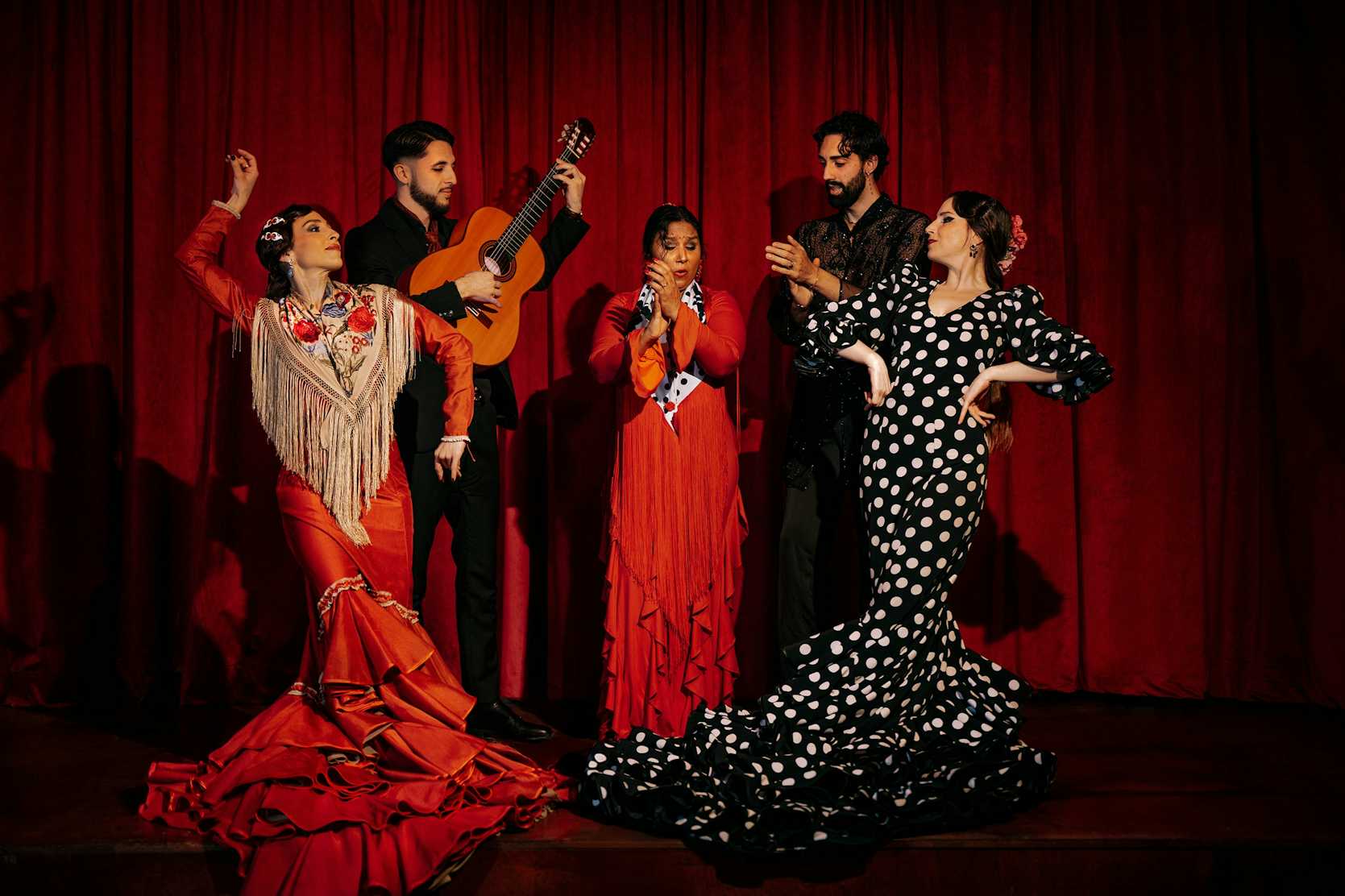
Flamenco Laietana Flamenco Show
Other questions people ask
What makes a flamenco show ‘authentic’?
An authentic flamenco show prioritizes raw emotion and artistic integrity over tourist spectacle. Look for intimate venues like tablaos or smaller theaters where performers connect directly with the audience, often without amplification. The focus should be on the pure expression of cante (singing), baile (dance), and toque (guitar playing), reflecting the deep cultural roots of this art form.
Do I need to book flamenco tickets in advance?
Yes, especially for popular tablaos and shows in major cities like Seville, Granada, or Madrid. Many venues have limited seating, and booking in advance guarantees your spot, particularly during peak tourist seasons or for weekend performances. This also often secures better seating options and can sometimes offer a slight discount.
What should I wear to a flamenco show?
While there’s no strict dress code, smart casual attire is generally recommended as a sign of respect for the performers and the art form. Avoid overly casual clothing like beachwear or athletic gear. Think comfortable yet presentable – a nice shirt or blouse, trousers, or a skirt are usually perfect. The focus is on enjoying the experience, not on a fashion show.
Is flamenco only in Andalusia?
Flamenco originated in Andalusia, southern Spain, and is deeply rooted there, but its popularity has spread. While Andalusia remains its spiritual home with the most traditional and frequent performances, major cities like Madrid and Barcelona also host numerous high-quality tablaos and theaters, offering diverse flamenco experiences that draw on both traditional and contemporary styles.
Can children attend flamenco shows?
Many flamenco venues welcome children, though it’s wise to check with the specific tablao or theater beforehand. Some shows might be late in the evening, which could be challenging for younger children. Look for earlier performances or those specifically marketed as family-friendly. The vibrant music and dancing can be captivating for all ages, offering a great cultural introduction.
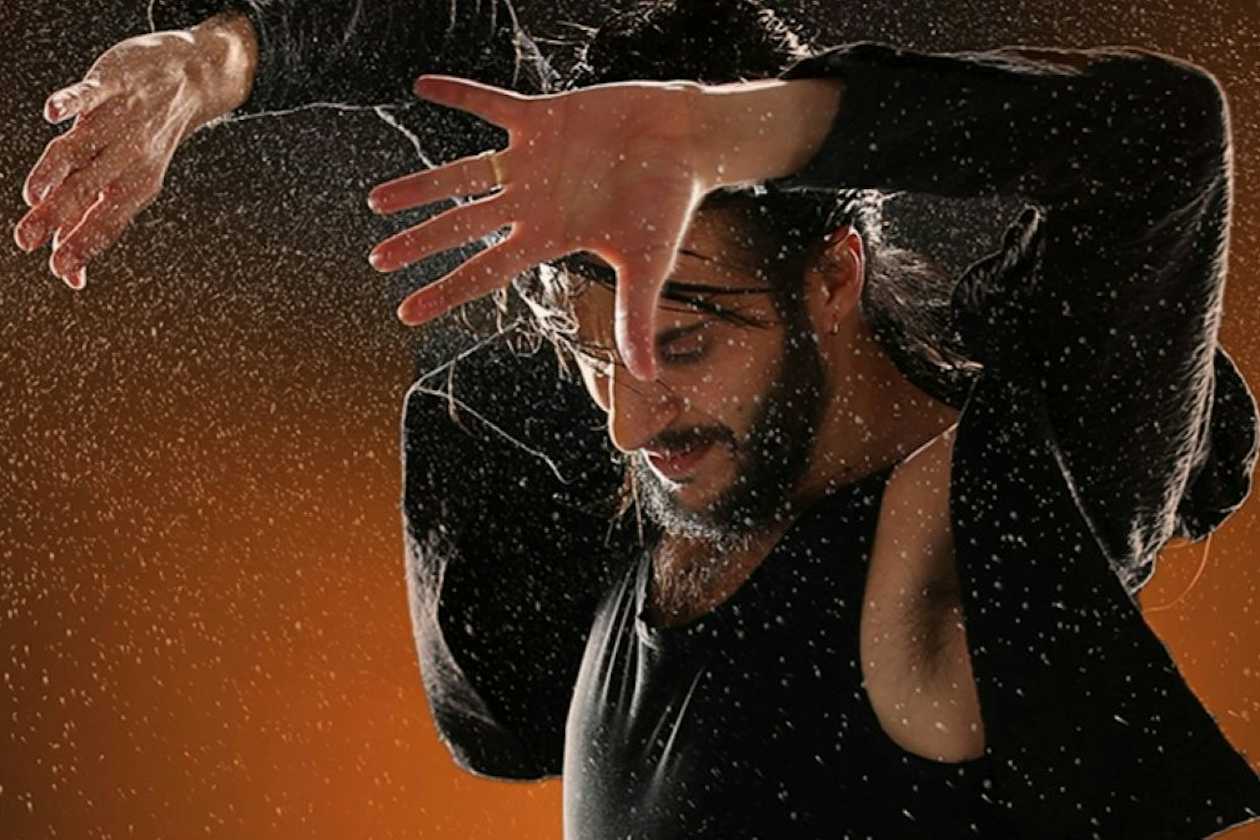
La Perla del Born Flamenco Show